

TV writer and Co-EP Bill Wolkoff reviews some of the considerations.
1/30/2026 • Gary Jacobs
Ask a Mentor : The Pitch Meeting From Hell
Showrunner Gary Jacobs recalls a lesson learned from a botched opportunity.

TV writer and Co-EP Bill Wolkoff reviews some of the considerations.
Some contend that writing is writing regardless of the genre or medium. But when we’re talking about animation vs live action, there are some key differences. Writer, co-EP and WGAW Captain Bill Wolkoff (Star Trek: Strange New Worlds), who has worked in both mediums, considers the variables.
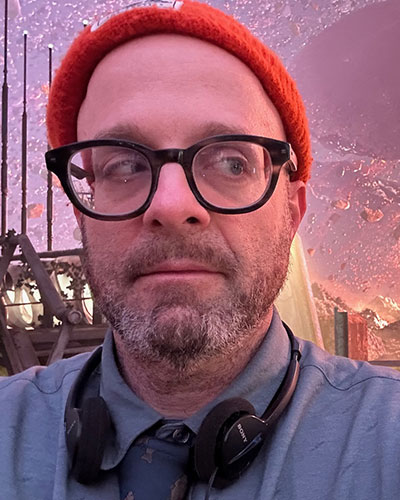
Question: What’s the difference between writing for live action and animation? What’s similar? And is it possible to have a career doing both?
Before I answer this, I should acknowledge that not all animated projects are automatically covered by the WGA. Which doesn’t mean your animated project can’t be covered under a WGA deal. If you’re a WGA writer developing something animated, good news, the Guild can help you with coverage, and here’s how. Some things you have to ask for, like a pillow on a long plane ride. Everyone knows there’s usually a few back there! Now that that’s out of the way…
I’ve been lucky in my writing career. I’ve successfully gone back and forth between shows where drawings move and shows where photographed actors move entirely on their own accord, to a point. What never changes in both cases is constructing character-driven stories that are infused with big and relatable emotions. Though the situations both cartoon and live action characters face are almost always elevated or fantastical in some way, when compared to ordinary life, the choices we as writers force them to make are very relatable and grounded. That’s why we identify with Carmy Berzatto as much as we do with Bob Belcher. Or Yogi Bear, arguably. Who among us hasn’t been tempted by an untended picnic basket?
 “We should have an ongoing conversation with board artists, as we do with directors and department heads when we cover set.”
Similarities extend to production realities as well. As a rule, it’s good to write to your standing sets, when you can. I’ve seen plenty of live action writers making the transition to animation who love to set scenes in brand new locations they’ve just thought up. After all, that location just needs to be designed, colored, shaded, rendered, and approved by the internal team before it’s sent out to studio and network executives for review, right? Only for the producing animation studio to send back their notes on what’s actually possible to do with it. How hard is that? Turns out just as hard and expensive as building a real set. It can be done, but sparingly.
Some live action shows are storyboarded, but usually only for scenes that need it: fights, stunts, musical numbers, or anything with a visual effects component. In animation, it’s all storyboarded. Which means writers work with board artists. Or in an ideal world, we do. This is akin to when a live action show is first put up on its feet, on the stage. We should have an ongoing conversation with board artists, as we do with directors and department heads when we cover set. Board artists are the first ones to bring our scripts to life, and the ones who can elevate our scenes in unexpected ways. They’ll also keep us real, and that’s important, too. It’s good to trust and have an open, collaborative attitude with board artists. Not just because they can make mean drawings of you behind your back. The collaboration always makes the end product better.
Some animation writers get stigmatized when making the transition to live action, as if our place is really at the kid’s table in the next room, with a set of crayons. To counteract that narrative, when I’m in a staffing meeting with a showrunner or exec for a live action show, I resist the temptation to draw all over their nice tablecloth, and instead highlight the experience and energy I’d bring to bear in both the room and on the page if they were to put me on their show. Maybe I’ve been lucky, but that method has worked for me so far.
1/30/2026 • Gary Jacobs
Showrunner Gary Jacobs recalls a lesson learned from a botched opportunity.