Years before Carlos Foglia participated in the WGAW’s TV Writer Leadership Training Program (LTP)—before he was even a professional writer—he received an impromptu lesson in leadership while working as an extra on The Social Network.
During a shoot in Boston, Foglia overheard director David Fincher and screenwriter Aaron Sorkin disagreeing over a line. According to Foglia, Fincher told Sorkin, “You can take the 405 or the 101. You’re still going to end up in Sherman Oaks.”
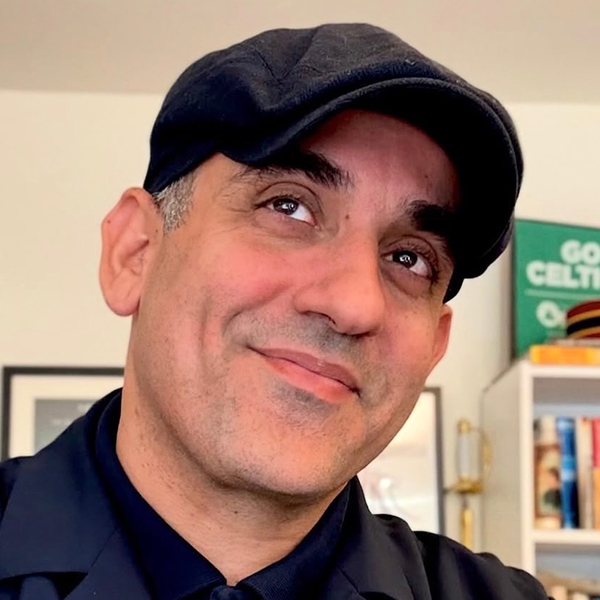 TV writer, producer, and LTP alum Carlos Foglia.
Foglia, who had not yet moved to Los Angeles, was initially lost in the geographical nuances of Fincher’s point. Years later, he understood: Two people can take different approaches and still reach the same destination.
The anecdote came back to him during last year’s program as veteran showrunners Glen Mazzara, Nicole Yorkin, and Melinda Hsu shared their sometimes differing approaches to running a show.
“Whatever I can learn,” said Foglia, a television writer and producer whose credits include Wolf Pack and Dan Brown’s The Lost Symbol. “I’m always trying to learn, always trying to get better.”
The lecture-style series, which is currently running until November 2, is designed to prepare writers for the creative, managerial, and administrative demands of leadership, whether as a head writer, showrunner, or in another senior role.
Donald Joh, a television writer and producer whose credits include Sugar, Snowpiercer, and Raised by Wolves, noted that there are tons of resources out there when it comes to writing a screenplay, but how to run a writers’ room, not so much.
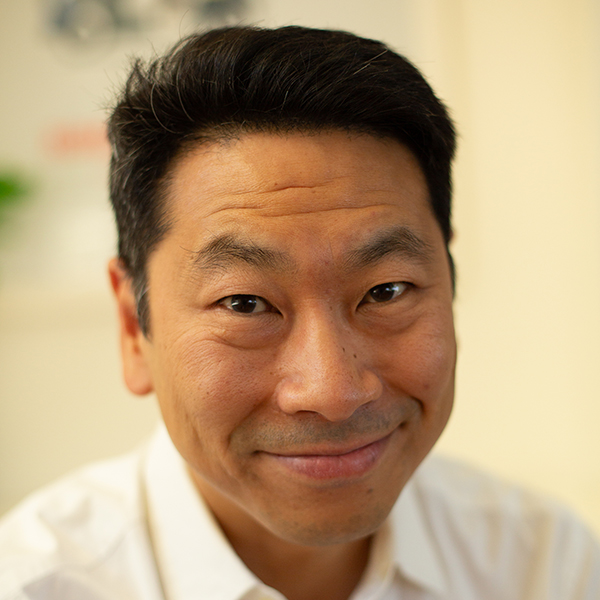 TV writer, producer, and LTP alum Donald Joh.
“I feel like the further you climb up the ladder in terms of being on staff, the less information is out there,” Joh said. “There’s a lot of information that’s hard to come by other than directly from showrunners.”
Program sessions discuss staffing and running a writers’ room, managing production and post-production, working with support staff, and complying with staffing minimums and other protections secured in the 2023 MBA.
Joh, who participated in last year’s program, appreciated the discussions around managing budgets and leading a writers’ room.
“The job of a showrunner is really hard,” he said. “These people are overloaded. So when you're on staff, it's a reminder that my job is to make their lives easier.”
Ray Utarnachitt, a co-EP on ABC’s High Potential, said the instructors’ firsthand stories made the program “super helpful.”
“The advice was coming from people who were in leadership positions and had been through the fire,” he said. “They gave real-life advice based on things they’d already been through.”

The slowdown in the business made me eager to seek out opportunities to interact with other writers and engage in that kind of content. It’s great to mingle and interact with people and hear people’s success stories or hardship stories.
- Angel Lopez
The instructors themselves were a major draw for Foglia. Mazzara, Yorkin, and Hsu brought decades of experience and hundreds of television episodes among them as showrunners and executive producers.
“It’s like going to a concert,” Foglia said. “I know how to play guitar, but I’m still going to go and watch some amazing musicians play.”
Beyond budgets and logistics, Foglia said the program also addressed other aspects of managing: kindness, calm, positivity, and the ability to set a room’s tone. Hsu, for example, led participants in a two-minute meditation.
Utarnachitt said Hsu’s discussion regarding empathy stressed the importance of listening to writers and building an environment where they feel comfortable bringing up concerns.
 TV writer, producer and LTP alum Ray Utarnachitt.
“A lot of people just want to barrel through the day, not hear what any of the issues are and get the job done,” he said. “It really takes bravery to have your door open and say, ‘Come to me if there are any issues.’”
Utarnachitt described the training as a “safe space” where participants and instructors could speak candidly about workplace challenges.
“It just felt like a really nice free flow of ideas and a space where even they felt safe to talk about things that happened in writers’ rooms that may have gone wrong,” he said.
Utarnachitt said he is already applying the program’s lessons by listening closely, communicating transparently and making clear that his door is always open.
For writer Angel Lopez, the opportunity to engage in community was an unspoken draw of the Leadership Training Program. He meets regularly with writer friends and attends the Screenwriter Coffee Talks.
“The slowdown in the business made me eager to seek out opportunities to interact with other writers and engage in that kind of content,” Lopez said. “It’s great to mingle and interact with people and hear people’s success stories or hardship stories. Overall, it’s a tough time in the business.”
Foglia said younger writers he mentors often identify becoming a showrunner as their ultimate goal without understanding what’s required to get there. Although a few writers land their own shows, most advance gradually, learning the business and gaining greater responsibilities.
“There’s always the pie in the sky of, ‘I want to be a showrunner tomorrow,’ but you don’t really understand the responsibilities that entails and the leadership that entails until you rise through the ranks,” he said.
Foglia is currently working in a writers’ room on a series moving into production. The experience has made him determined to apply what he learned.
“I don’t think you should ever stop learning, no matter what level you’re at. No matter where I’m at, I’ll still always endeavor to become better.”