

Alums reflect on valuable lessons from the popular, long-running WGAW program.
9/4/2026 • Evan Henerson
Move Over Norma Rae
Despite challenges, labor struggle narratives break through.
Alums reflect on valuable lessons from the popular, long-running WGAW program.
Sean Tretta remembers the pre-event schmoozing…and the schmoozing’s conclusion.
Upon his arrival at the Guild’s 3rd & Fairfax offices for the Staff Writer Boot Camp, Tretta encountered a roomful of writers like himself who were trying to impress each other, chatting about what shows they had staffed, favorable opinions from showrunners and the like. It was 2014, and although he was newly staffed on the UCP and Sci-Fi Channel’s 12 Monkeys, Tretta was still finding his way in the industry.
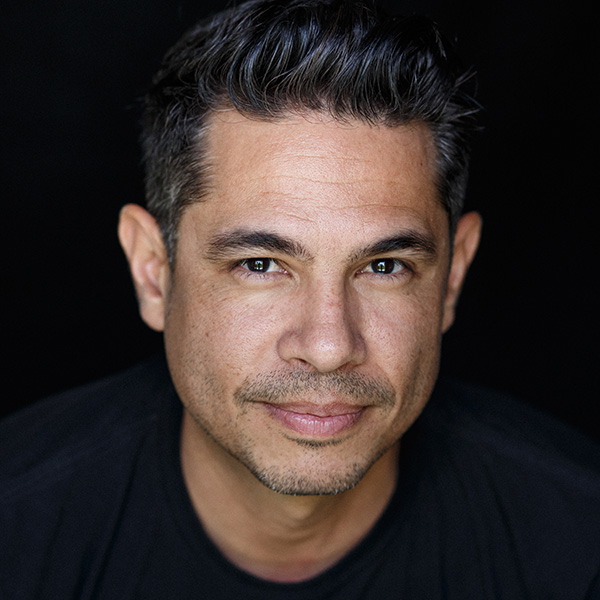
The pre-event socializing came to an end when Boot Camp Co-founder Glen Mazzara informed the attendees that it was time to get down to business.
“Glen was like, ‘All right, stop patting each other on the fucking back and get in here,’ and I thought, ‘All right, I like this guy,’” Tretta recalled. “He instantly humanized the experience in a really great way and it was just comforting—Look you’re all new. You’re going to have good days, you’re going to have bad days. Do a good job, advocate for yourself, but also know how to read a room, how to read your position as the low person on the totem pole.”
Welcome to the tough love that is Staff Writer Boot Camp.
For 11 years, Mazzara, fellow co-founder Kyle Harimoto and assorted special guests have used the annual program to help early career writers read the room, anticipate the needs of their showrunners and gain other bits of practical knowledge. The intent of Boot Camp, as Harimoto noted to Written by in a 2025 interview, is to get writers the information they need “right when they need it.”
And when one is new to a writers’ room, the process of figuring out where you belong and what you should be doing can be daunting. Boot Camp throws professional peers together and shows them that they are not alone. Guild members who attended Boot Camp sessions several years ago affirm that some of the wisdom they picked up has served them well years later as they moved up the production ranks and interfaced with staff writers.

Having that network of peers who are at the same level as you is hugely valuable, and it was something I didn’t anticipate until I got to Staff Writer Boot Camp.
- Sabir Pirzada
“You learn a lot in the room obviously,” said Ariana Jackson, “but there are things that it just helps to have be spelled out and crystalized a bit. Having some of that stuff spelled out feels like a good way for me to be able to relay that to people. Without that, I wouldn’t have known exactly what they didn’t know or how to express to them what they need to know.”
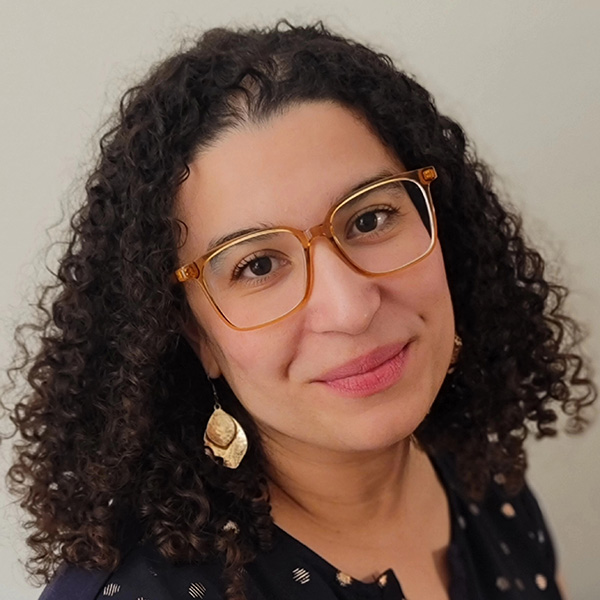
When she attended Boot Camp in 2014, Jackson had already had the opportunity to be on set. Even with that experience, she appreciated hearing other writers’ experiences and perspective as well as the Boot Camp instructors’ ability to give context to the type of encounters her peers were experiencing.
“One of the things that I really liked about the program was that everybody was pretty blunt about things. There wasn’t a lot of hand-holding,” said Jackson whose recent co-EP credits include Brilliant Minds and Diarra from Detroit. “It was pretty much ‘This is the deal and these are the things you need to know.’ But it’s helpful. This is a one-day program, and it was really helpful to have things be clear and laid out, and then you have to take your writer’s intuition and understand how to apply that to your room.”
Nearly nine years after his experience in Staff Writer Boot Camp, Sabir Pirzada still remembers several key takeaways: don’t be baited into joining a gripe-fest once the showrunner has left the room; always maintain professionalism; understand that if a showrunner is staying late and says they don’t need any help, they probably do.

“Glen had tons of amazing advice that was really helpful in navigating things, anything from writers’ room politics to how to successfully pitch within the showrunner’s reach.” said Pirzada. “I remember him explaining how you have to find the overlap between what the showrunner’s taste and voice are and what the show itself needs.”
As Pirzada sees it, the prevailing theme of Staff Writer Boot Camp is the importance of being helpful both to the showrunner and to the other writers in your room. It’s a sentiment that Pirzada, currently a co-EP on F.B.I., has tried to carry forward.
“Being a staff writer can be a lonely endeavor, but it doesn’t have to be,” Pirzada said. “You can have peers from other shows and always lean on each other. Having that network of peers who are at the same level as you is hugely valuable, and it was something I didn’t anticipate until I got to Staff Writer Boot Camp.”